


- Shipping
- Reviews (12)
- More Products
12 reviews for Metalwork and Enamelling
Add a review
-
✅ Industrial Tools & Accessories
New-GEN Door Hinge Adjustment Tool – Professional Hinge Adjustment Tool | Universal Fit for Interior & Exterior Doors | Fix Sagging Doors in Seconds – Stainless Steel Construction
Original price was: $37.99.$22.99Current price is: $22.99. -
SILCA ELETTRICO Mini Electric Bike Pump – Digital Bicycle Tire Pump with Auto Shut-Off, USB-C Rechargeable, Ultra-Light & TSA-Compliant for Travel – Universal Compatibility
Original price was: $161.00.$135.00Current price is: $135.00. -
Carpenters-Tools&Equipment
Stair Tread Template Tool, NAACOO Stair Measuring Tool, Tread Jig Set – with Level & Tape Measure & Carpenter Pencil, Suitable for Risers and Partitions.
Original price was: $18.99.$19.54Current price is: $19.54.




Related Products

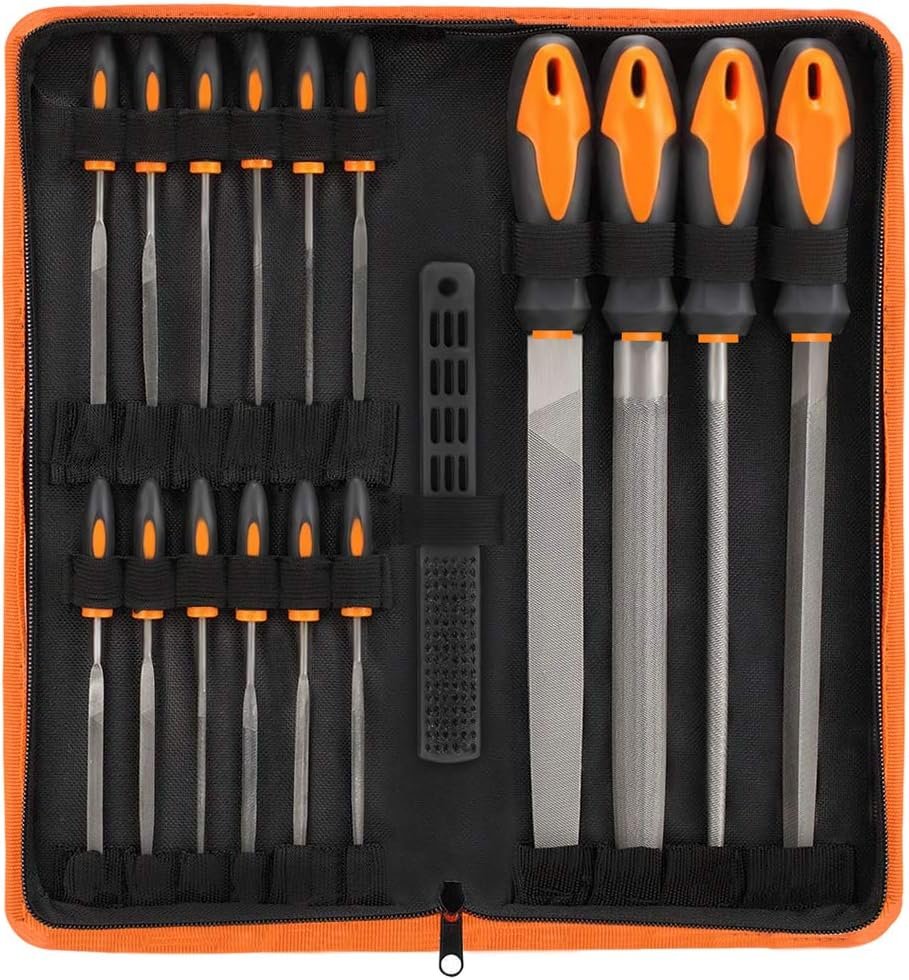
17Pcs File Tool Set with Carry Case,Premium Grade T12 Drop Forged Alloy Steel, Precision Flat/Triangle/Half-round/Round Large File and 12pcs Needle Files/1 brush
Original price was: $20.99.$20.69Current price is: $20.69.
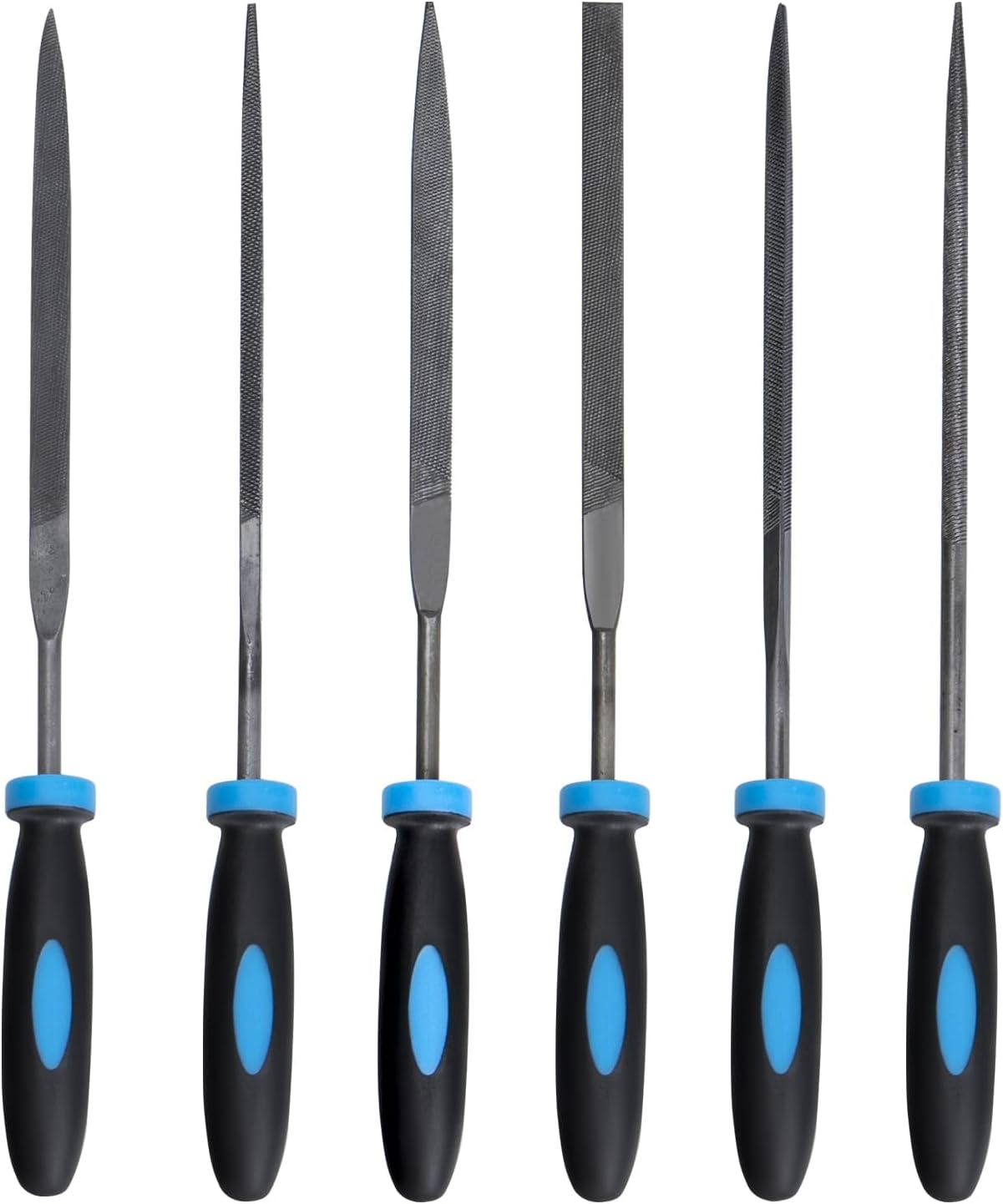
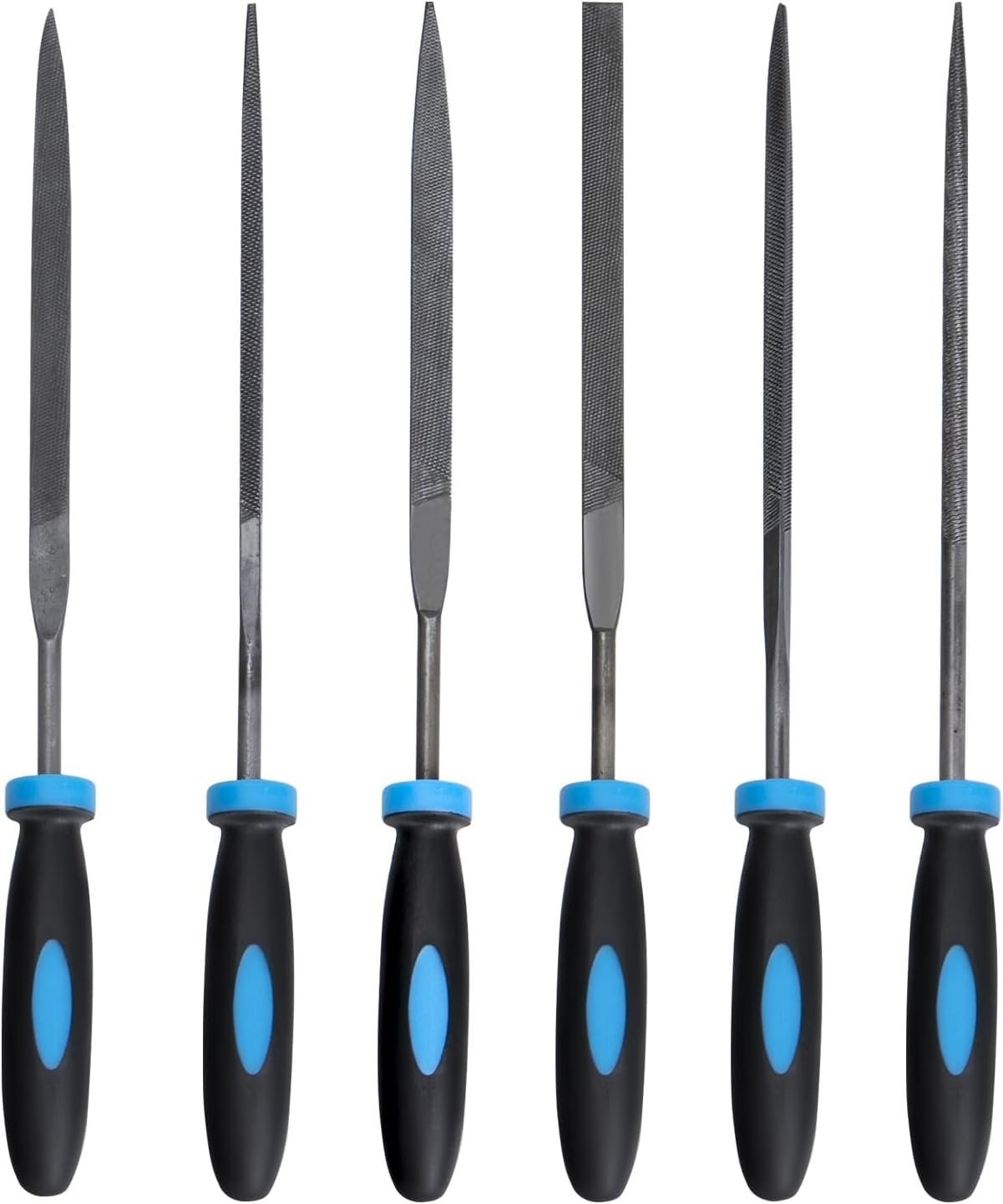
Metal Needle File Set Metal Files Files Tools for Metal Needle Files Small File set for Metal Work Flat File File Tool Steel File Hand Files for Metal Wood Plastic Jewelry Leather DIY 6 Pcs
Original price was: $13.99.$6.31Current price is: $6.31.

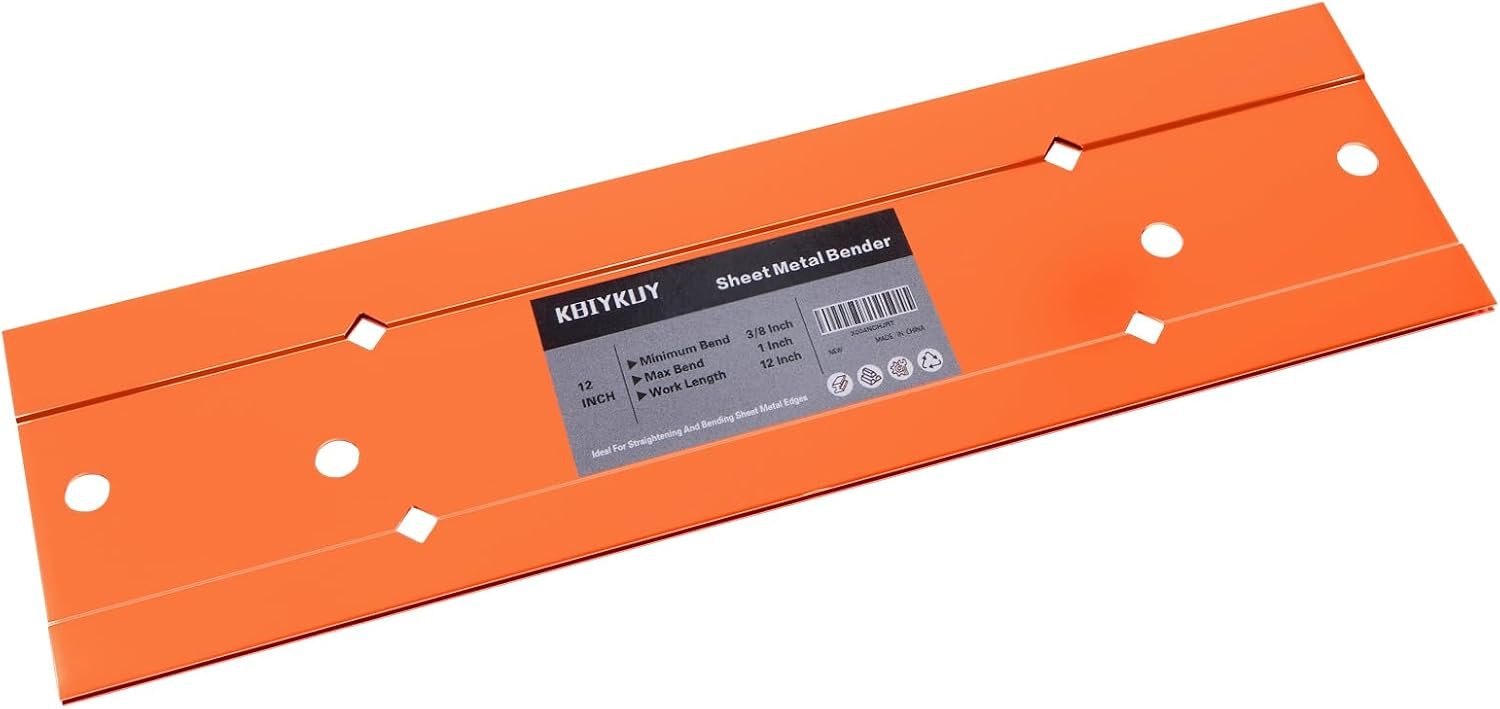
Sheet Metal Bender Folding Tool, 12 Inch Hand Seamer for HVAC Ductwork, Roofing & Metal Panels, 3/8" & 1" Fold Depth, Heavy Duty Steel Brake with High-Visibility Orange Finish
Original price was: $14.99.$14.36Current price is: $14.36.


Tnisesm 552Pcs Aluminum Oxide Sanding Drum Set,Including 525 Pieces 80 120 150 240 320 400 600 Grit Drum Sander Sanding Sleeves and 24 Pieces Drum Mandrels for Dremel Rotary Tool,Sanding Drums
Original price was: $20.99.$19.54Current price is: $19.54.
wiredweird –
A classic of metalwork
This title first appeared in 1912, nearly 100 years ago at this writing. Despite its age, this remains a useful and inspiring manual for today’s jewelers and silversmiths. It covers a wide range of basic and not-so-basic decorative techniques, inclduing filigree, granulation, stone setting, chasing and repousse, etching, engraving, and enamelling. Silversmithing chapters address raising and sinking, among other techniques. A few sections describe tools that modern crafters have all but forgotten, such as a ‘snarling iron’ for shaping holloware too deep and narrow for other tools to handle.Although the editor of this fifth (1971) edition says that many tools and materials were updated, it still retains a lot of its older character. Soldering, for example, describes torches that I’ve only ever seen as antiques, and never mentions modern fuels like propane. Maryon presents dozens of formulas and recipes for everything from soldering alloys to etchants. While most are still helpful, many seem quaint. A few look downright scary to contemporary workers, such as a patination recipe that dissolves arsenic in acid. A little good sense will steer the modern reader toward safer techniques and materials, however. The section on twisted wire, for example, offers many decorative motifs that even beginners can use and explore on their own.Modern how-to books tend to be better illustrated and be more helpful regarding contemporary tools and materials. Also, some mis-statements (such as the idea that Japanese layered metals were bonded with solder) have been corrected by later research. Still, if you want to look back in time for inspiration, historical grounding, or wide-ranging coverage of many topics, this classic is a great place to start.– wiredweird
Mark A. Kingston –
Excellent Instructional Book
I’m writing this review because I believe this book deserves another good review. My personal interest is working all sorts of metals. I have searched these sorts of sites extensively looking for books that give a clear explanation of the skills required to do this sort of work and this book by Herbert Maryon is one of the best.In the first 20 chapters, at 166 pages, Maryon concentrates on metalworking. The subjects include Soldering, Setting of stones, Filigree work, Raising and Shaping, Spinning, Repoussé work, Twisted Wires, Metal Inlaying and Overlaying to name just a few.I found the photos of twisted wires particularly good and have not found this sort of information in other books to date. The last chapter in this section on Japanese Alloys and Stratified Fabrics was excellent also as I have not encountered this information either.Chapters 21-27, at 31 pages, deal with Enamelling and once again we have good descriptions on the different topics of Cloisonné enamels, Plique-à -jour enamels, Encrusted enamels and Painted enamels to name a few.His next major section is Metal Casting at 33 pages, Chapters 28-31, and we again get good descriptions and techniques. Following on from this we have an assortment of chapters dealing with Construction, Design, The Making of Tools and Polishing and Colouring.Maryon rounds the book out with some tables and conversion charts dealing with areas, gauges, measurments, weights and temperatures.Overall I believe Maryon has done a very good job of explaining the skills and techniques required to do metalwork and enamelling at this level.One criticism that could be leveled at this book is that compared to other books on the same subject there are possibly too few photos and drawings which could have given an added dimension to the otherwise clear descriptions.When learning like myself from scratch it pays to draw on multiple sources. Other books I have consulted are; “A Silversmith’s Manual” by Bernard Cuzner; “Silversmithing” by Finegold and Seitz; “Metal Techniques for Craftsmen” by Oppi Untracht. These books including Maryon’s are the best out there and are all worth purchasing. Reasoning being that they all have invaluable infomation which often overlaps but have tips and tricks unique to each book. Which are invaluable to becoming proficient in this art.The book therefore gets 4.5 stars from me as it gives good advice which is most, and has been, helpful.Finally just to say another great book by Dover.
James M. Richardson –
This modest volume should be in the libraries of every …
This modest volume should be in the libraries of every serious metalsmith. Yes it is old and dated but therein lies its value. Maryon reveals age old practices and techniques of real jewelers that have worked for centuries. What most jewelers buy from suppliers, this book tells you how to make. Do you need to reshape your beading tools? Maryon has the solution. If you don’t know what a beading tool is you need this book.In this age of poorly trained metalsmiths who rely on style rather than substance, this book is vital in learning how to approach jewelry making. Age old craftsmanship is nearly dead in our powder coated silhouette machine made age of disposable jewelry. Buy this book now and read how old school artists, trained in a tradition that reaches back to ancient times did it.If you consider yourself a real crafts-person and don’t have this book, buy it now!
J. Galt –
Great Resource for Ideas
I purchased this text to better understand wire twisting techniques to make torcs. It has over 60 techniques with pictures and methods outlined.If the other parts over metalworking and enameling are as good, and they look as good with a cursory glance, this text is perfect for someone who is going “How do they/I make REAL jewelry, anyway”, where by REAL jewelry I mean you make your own materials, as opposed to combining beads and other materials that are pre-made and store-bought.
W. Pellegrini –
the oldest treatise on the jewelers art
this book explains how it was done “old school” it has gems in it hidden about even for the modern jeweler . i use his formula for making gold solder to this day it saves me hundreds of dollars a year and has a color match far superior to commercial solder that alone is worth the price of the book .
Gregg Amundson –
Five Stars
I was interested only in the chapter on twisted wire and I found that portion very helpful.
Cindy Fayal –
Five Stars
the book was all it was described to be. i would buy from you folks again.
Elizabeth –
Five Stars
Great book! Lots of information!
S.Strömberg –
Denna bok skickades tillbaka imoch med det var en pocketversion med inga färgade bilder och mycket text.
VoteWithDollar –
Not for the faint of heart, classic books are a good read, but don’t expect too many graphic examples – you really need to sort of know what you’re doing, in which case it’s great; a great reference book.
A Harris –
Beautifully written. It is so good to read a technical book written so eloquently. He includes historical backgrounds and also gives the fine detail of how metal behaves when worked or heated. I would recommend this book to anyone learning the craft in depth.I am wondering though if Kindle format is not so convenient for technical books as I often want to jump quickly from written word to the illustration which is easier to do in paper format.
Mimi –
A lot of detail in the book covering all metalworking techniques and a section on enamelling. The book is a bit wordy, there are better books for reference, Tim MeCreight ones are really good. But it is a good book for reference.