*OF SLIDING TABLE SAW
* On Business Days - Sea Freight
Woodworking is a time-honored craft that has been practiced for centuries. Whether you are interested in creating furniture, decorative items, or just enjoy working with your hands, woodworking can be a rewarding and fulfilling hobby. However, for beginners, the world of woodworking can seem overwhelming with its myriad of tools, techniques, and terminology. To help you get started on your woodworking journey, here are some essential woodworking techniques every beginner should know.
### Selecting the Right Wood
One of the most important aspects of woodworking is selecting the right type of wood for your project. Different types of wood have different characteristics, such as hardness, grain pattern, and color. Some woods are better suited for furniture making, while others are more suitable for decorative items. It is important to choose a wood that fits the purpose of your project and is easy to work with. Some popular choices for beginners include pine, oak, and maple.
### Using Hand Tools
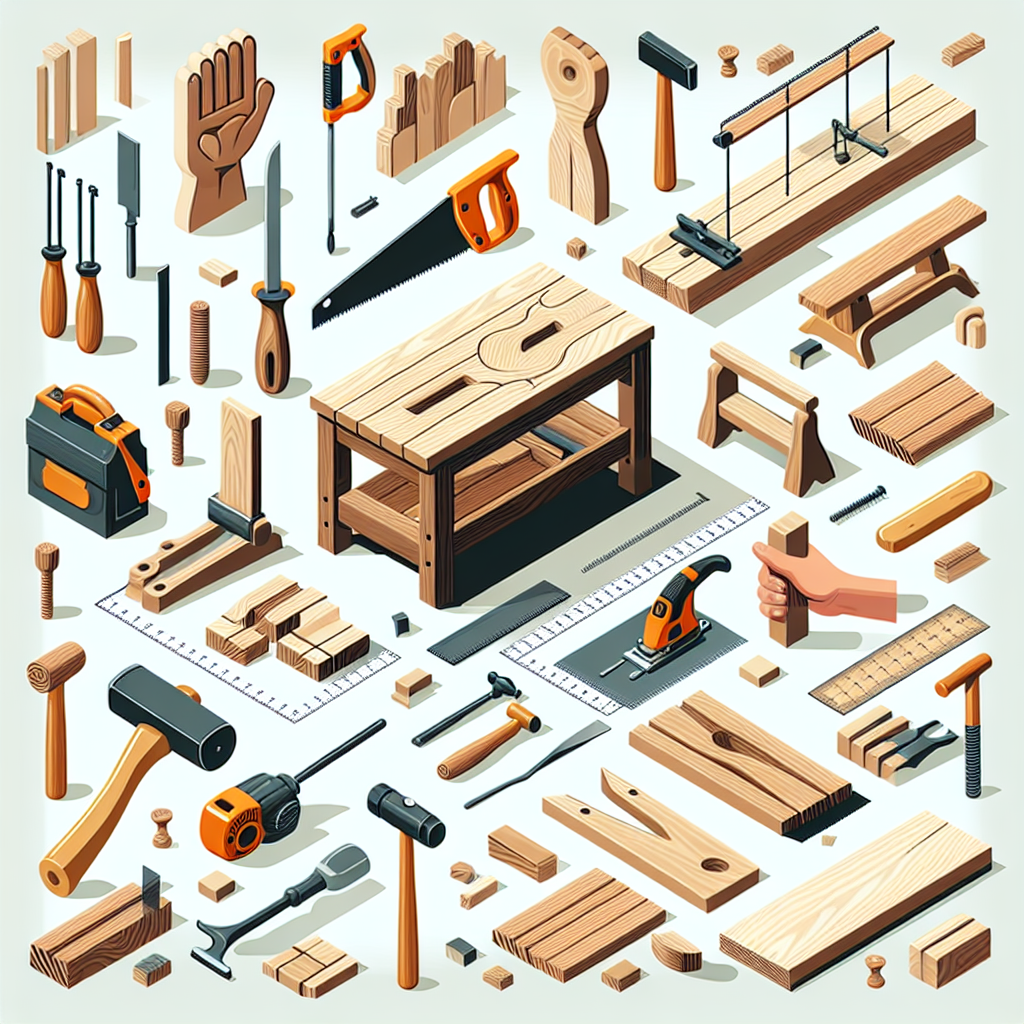
While power tools can make woodworking faster and easier, it is important for beginners to learn how to use hand tools as well. Hand tools such as chisels, planes, and saws are essential for fine woodworking and can help you develop your skills and precision. Learning how to properly use hand tools will also give you a deeper understanding of woodworking techniques and principles.
### Measuring and Marking
Accurate measurements and markings are crucial in woodworking to ensure that your project turns out as intended. Invest in a good quality tape measure, a combination square, and a marking knife to make precise measurements and markings. Taking the time to measure and mark correctly will save you from making costly mistakes and help you achieve professional results.
### Joinery Techniques
Joinery is the process of connecting two pieces of wood together to create a strong and durable bond. There are many different types of joinery techniques, each with its own strengths and weaknesses. Some common joinery techniques for beginners include butt joints, dado joints, and rabbet joints. Learning how to properly execute these joinery techniques will give your woodworking projects a professional look and ensure that they stand the test of time.
### Sanding and Finishing
Once you have completed the construction of your project, it is important to sand and finish the wood to give it a polished and professional appearance. Sanding helps to smooth out any rough edges or imperfections, while finishing protects the wood from moisture and enhances its natural beauty. There are many different types of sandpaper and finishes available, so it is important to experiment and find the ones that work best for your project.
### Safety Precautions
Woodworking can be a dangerous activity if proper safety precautions are not taken. Always wear protective gear such as safety goggles, ear protection, and a dust mask when working with power tools. Keep your work area clean and organized to prevent accidents, and always follow the manufacturer’s instructions when using tools and equipment. By prioritizing safety, you can enjoy woodworking without putting yourself at risk of injury.
### FAQs
#### Q: What tools do I need to get started with woodworking?
A: Some essential tools for beginners include a saw, a hammer, a tape measure, a chisel, and a plane. As you progress in your woodworking skills, you may want to invest in more specialized tools such as a router or a table saw.
#### Q: How do I know which type of wood to use for my project?
A: The type of wood you choose will depend on the purpose of your project and your skill level. Softwoods such as pine are easier to work with and are suitable for beginners, while hardwoods such as oak and maple are more durable and suitable for furniture making.
#### Q: What is the best way to learn woodworking techniques?
A: There are many resources available for beginners to learn woodworking techniques, including books, online tutorials, and woodworking classes. Experimenting with different techniques and practicing regularly will help you improve your skills and become a proficient woodworker.
In conclusion, woodworking is a rewarding and satisfying hobby that can be enjoyed by people of all skill levels. By learning essential woodworking techniques such as selecting the right wood, using hand tools, and mastering joinery techniques, beginners can create beautiful and functional projects with confidence. Remember to prioritize safety, practice regularly, and have fun exploring the world of woodworking.
We use cookies to improve your experience on our site. By using our site, you consent to cookies.
Manage your cookie preferences below:
Essential cookies enable basic functions and are necessary for the proper function of the website.
These cookies are needed for adding comments on this website.
Statistics cookies collect information anonymously. This information helps us understand how visitors use our website.
Google Analytics is a powerful tool that tracks and analyzes website traffic for informed marketing decisions.
Service URL: policies.google.com (opens in a new window)
SourceBuster is used by WooCommerce for order attribution based on user source.
Marketing cookies are used to follow visitors to websites. The intention is to show ads that are relevant and engaging to the individual user.
Facebook Pixel is a web analytics service that tracks and reports website traffic.
Service URL: www.facebook.com (opens in a new window)
Pinterest Tag is a web analytics service that tracks and reports website traffic.
Service URL: policy.pinterest.com (opens in a new window)