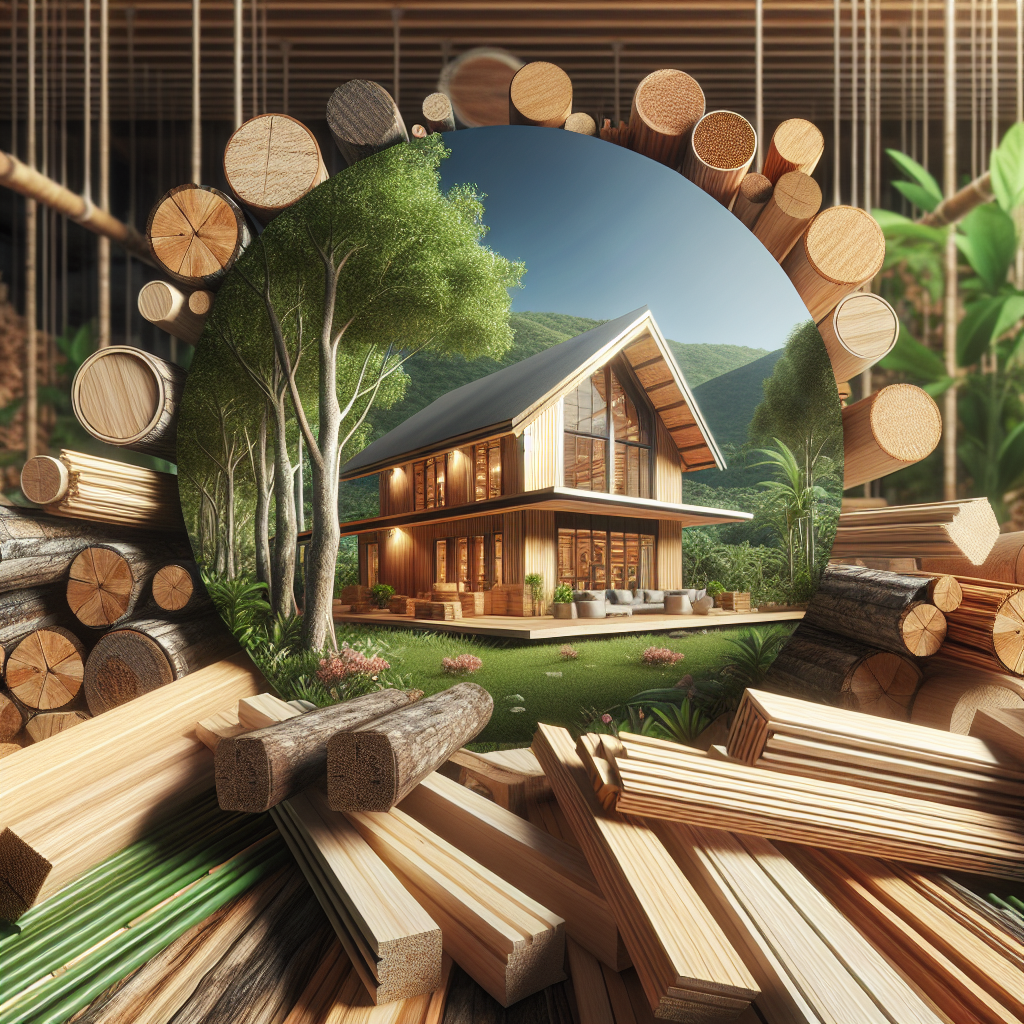
Wood has been used as a building material for centuries, and for good reason. Not only is it aesthetically pleasing, but it is also a sustainable and environmentally friendly option for construction projects. In this article, we will explore the sustainability of wood as a building material and why it is a popular choice for architects, builders, and homeowners alike.
Benefits of Wood as a Building Material
There are several reasons why wood is considered a sustainable building material. Some of the key benefits include:
- Renewable resource: Wood is a renewable resource that can be replanted and grown sustainably.
- Energy efficient: Wood has natural insulating properties, which can help reduce energy consumption and lower heating and cooling costs.
- Low carbon footprint: Wood has a lower carbon footprint compared to other building materials such as concrete or steel.
- Biodegradable: Wood is biodegradable and can be easily recycled or composted at the end of its life cycle.
- Versatile: Wood is a versatile material that can be used in a variety of construction applications, from framing to finishing.
Environmental Impact of Wood Construction
When compared to other building materials, wood construction has a lower environmental impact. Wood is a natural material that requires minimal processing and energy to manufacture. In addition, the production of wood products generates fewer greenhouse gas emissions compared to materials like concrete or steel.
Furthermore, sustainably managed forests help mitigate climate change by absorbing carbon dioxide from the atmosphere. Forest certification programs, such as the Forest Stewardship Council (FSC), ensure that wood products come from responsibly managed forests that promote biodiversity and protect wildlife habitats.
FAQs
Is wood a sustainable building material?
Yes, wood is considered a sustainable building material due to its renewable nature, low carbon footprint, and biodegradability.
Can wood be used for structural purposes in buildings?
Yes, wood is a versatile material that can be used for structural framing, beams, columns, and other load-bearing elements in buildings.
How can I ensure that the wood I use is sustainably sourced?
You can look for certifications like the Forest Stewardship Council (FSC) on wood products to ensure that they come from responsibly managed forests.
What are some of the environmental benefits of using wood as a building material?
Some of the environmental benefits of using wood include its renewable nature, low carbon footprint, energy efficiency, and biodegradability.
Are there any drawbacks to using wood as a building material?
Some drawbacks of using wood include susceptibility to rot, fire, and insect damage. However, these can be mitigated through proper treatment and maintenance.
In conclusion, wood is a sustainable and environmentally friendly building material that offers numerous benefits for construction projects. By choosing wood, builders and homeowners can create beautiful and eco-friendly structures that contribute to a more sustainable future.