Introduction
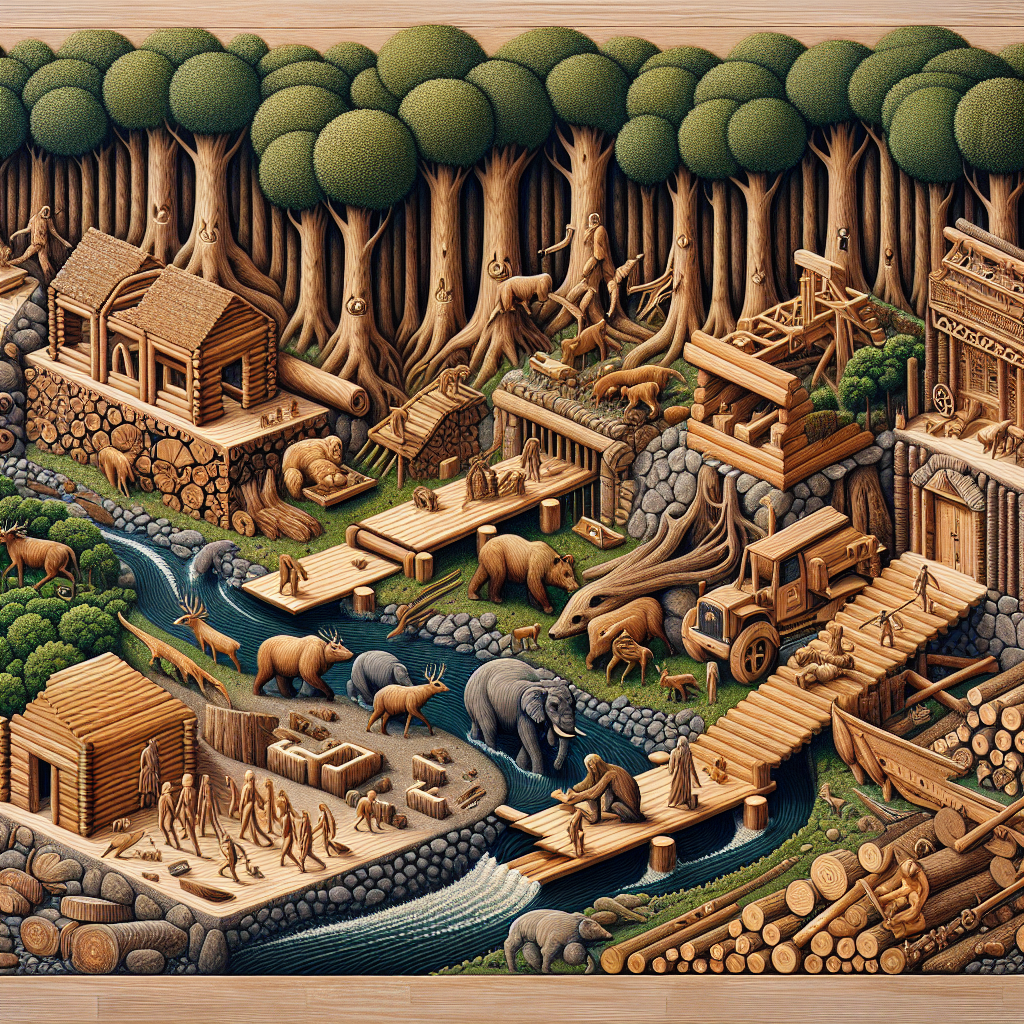
Wood has been an essential resource for human civilization since the dawn of time. It has been used for shelter, tools, transportation, and fuel, shaping the course of history and development of societies around the world. In this article, we will explore the history and significance of wood in human civilization.
Early Uses of Wood
Early humans relied heavily on wood for their survival. They used wood to build shelters, make tools, and create fire for cooking and warmth. The discovery of fire was a crucial moment in human history, as it allowed early humans to cook food, stay warm, and protect themselves from predators.
Wood in Ancient Civilizations
Ancient civilizations such as the Egyptians, Greeks, and Romans also relied on wood for various purposes. They used wood to build temples, ships, and fortifications. The Greeks and Romans were known for their advanced woodworking techniques, creating intricate furniture and sculptures out of wood.
The Industrial Revolution
The Industrial Revolution in the 18th and 19th centuries brought about significant changes in the use of wood. With the invention of steam power and machinery, wood could be processed and used in larger quantities than ever before. Wood was used to build factories, ships, and railways, fueling the growth of industries around the world.
Modern Uses of Wood
Today, wood continues to play a vital role in human civilization. It is used in construction, furniture making, paper production, and as a renewable source of energy. Wood is also valued for its aesthetic qualities, with many people choosing wood over other materials for its natural beauty and warmth.
Environmental Impact
While wood is a renewable resource, the overexploitation of forests has led to deforestation and habitat loss for many species. Sustainable forestry practices are essential to ensure the long-term viability of wood as a resource. Many countries have implemented regulations to protect forests and promote sustainable logging practices.
Conclusion
Wood has been a fundamental resource for human civilization throughout history. Its versatility and abundance have made it an essential material for building, crafting, and fueling societies around the world. As we continue to rely on wood in the modern age, it is crucial to consider its environmental impact and promote sustainable practices to ensure its availability for future generations.
FAQs
What are some common types of wood used in human civilization?
Some common types of wood used in human civilization include oak, pine, mahogany, and teak. These woods are valued for their durability, strength, and aesthetic qualities.
How has the use of wood evolved over time?
The use of wood has evolved from simple tools and shelters in early human history to complex structures and machinery in modern times. Advances in technology and woodworking techniques have expanded the possibilities of what can be created with wood.
Why is sustainable forestry important?
Sustainable forestry is important to ensure the long-term viability of wood as a resource. By practicing sustainable logging and forest management, we can protect ecosystems, reduce deforestation, and ensure a steady supply of wood for future generations.